1. What do the initials RV stand for?
RV is an abbreviation for recreational vehicle.
2. There are many kinds of RVs. What is the most popular choice of RV in Canada?
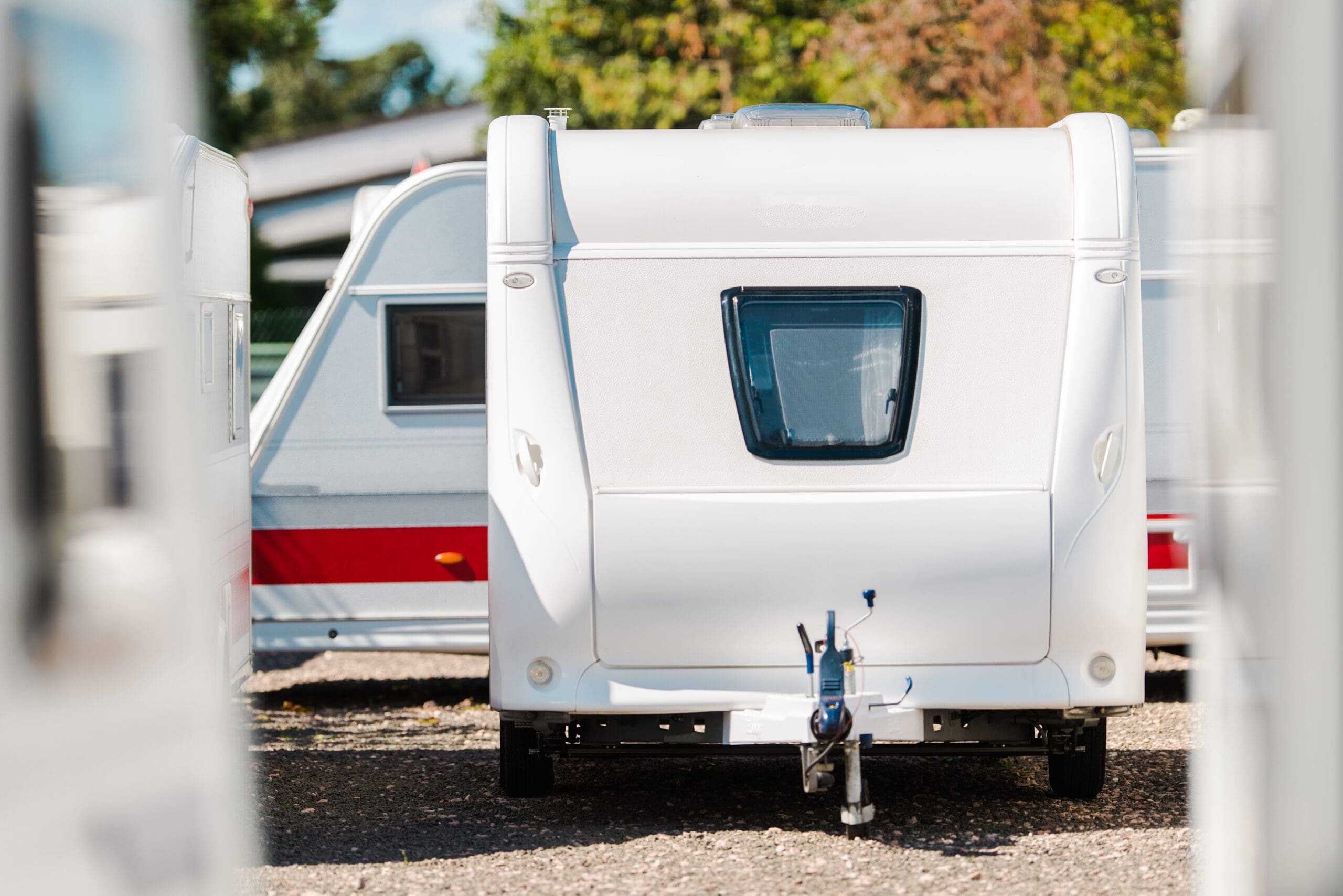
The travel trailer is by far the most popular class of RV in Canada and North America. Enthusiasts favour them for their balance of affordability, comfort, and versatility. They come in various sizes and floor plans suitable for families, couples, and solo travellers. Key advantages include lower costs compared to motorhomes, the ability to tow with many vehicle types from SUVs to pickup trucks, diverse size options ranging from lightweight teardrops to large equipped trailers, and the ability to use the tow vehicle independently once the trailer is set up. Fifth wheels rank second, popular among full-timers and long-haul travellers, while Class C motorhomes serve families wanting self-contained units.
3. How much can an RV cost in Canada?
RVs in Canada can range from around $15,000 to upwards of $300,000 and more for luxury models.
4. What about the cost of ownership? How much can operating an RV cost per month?
Monthly costs, including loans, fuel, maintenance, and campground fees, can range from $500 to $2,000.
5. What percentage of Canadians own an RV?
Approximately 15% of Canadian households own an RV.
6. How much does it cost to camp in an RV in Canada?
The cost to park your rig at a campsite can vary by location and available amenities, but the average is around $40 to $60 per night.
7. What qualifies as an RV in Canada?
An RV is a motorized or towable mobile dwelling.
8. What is the purpose of a travel trailer?
Travel trailers provide mobile living spaces for camping, travel, or full-time living, enabling unfettered exploration of Canada’s natural landscapes.
9. What is another name for a travel trailer?
A travel trailer is also referred to as a caravan.
10. Do RVs require a lot of maintenance?
Like any home or dwelling, RVs require regular maintenance. The saying “an ounce of prevention is worth a pound of cure” applies well to RV ownership. Periodically inspect the roof, plumbing, caulking, and battery, and properly prepare the vehicle for winter storage. Simple, regular upkeep protects your investment and provides years of RVing enjoyment.
11. What are the regulations for owning and operating an RV in Canada?
Rules governing RV use and ownership vary but include vehicle registration, licensing, and adherence to local bylaws for parking and living.
12. Do you need a special license to tow a trailer in Canada?
The short answer is no for most cases, but important regulations apply. In most provinces, a standard Class 5 (passenger vehicle) license suffices to tow a trailer provided the combined weight doesn’t exceed certain limits (often 4,600 kg or 10,000 lbs). If the Gross Vehicle Weight Rating exceeds provincial limits, you may need an endorsement or higher-class license. Quebec requires an F endorsement for trailers exceeding 4,500 kg. All trailers must be registered and plated provincially. Some provinces require separate trailer insurance, while others include it under the tow vehicle’s policy. Utility trailers, boat trailers, and RVs have specific safety inspection requirements by province. Towing laws vary regarding braking systems (electric brakes required over certain weights), safety chains, lighting, and speed limits.
13. Can I drive an RV in Canada?
Yes, most RVs can be driven with a standard driver’s license, but larger ones may require additional qualifications.
14. Can you live full-time in an RV in Canada?
Yes, but you’ll need to do research on local zoning laws, plus prepare for the seasons.
15. Can you live in a travel trailer in the winter in Canada?
Yes, but it requires proper insulation, heating, and winterization to handle harsh winters.
16. What can I leave in my trailer over the winter?
Remove perishables, electronics, and liquids that can freeze, and secure all items against pests.
17. How do I winterize my RV for winter living in Canada?
Insulate the RV, add skirting, heat water lines, and use a reliable heating system. See our guide on how to winterize your RV.
18. Do travel trailers need to be covered in the winter?
Covering helps protect the roof, seals, and exterior from snow and ice damage. See Protect Your RV Year-Round with a Quality Cover.
19. How long can a trailer be in Canada?
Trailers can vary in length but typically range up to 46 feet, depending on provincial regulations.
20. Can I take my RV to the USA?
Yes, Canadians can take their RVs to the USA for travel, subject to border regulations.
21. Can a Canadian buy a trailer in the US?
Yes, but it will need to meet Canadian safety standards before import.
22. Can I import a travel trailer from the USA to Canada?
Yes, but you’ll need to follow import regulations, including inspections and duty payments.
23. Are double trailers legal in Canada?
A double trailer refers to a towing setup where a single vehicle pulls two trailers in tandem. In an RV context, this means a pickup truck towing a fifth-wheel trailer that then tows a smaller trailer, or commercially, a semi-truck pulling two full-sized trailers. Double towing is legal in some Canadian provinces but comes with restrictions on length, weight, and hitch types. Provincial rules vary, so checking local regulations is essential.